
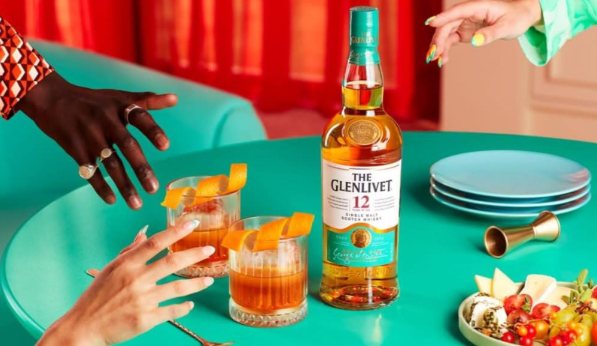
Whisky (or whiskey) is more than just a drink—it’s a cultural symbol, a product of heritage, craftsmanship, and tradition. While both Scotch whisky and Irish whiskey are globally celebrated, they have distinct characteristics that make them unique. From how they are spelled to how they are distilled, matured, and enjoyed, the differences are fascinating.
This article provides a full breakdown of Scotch whisky vs Irish whiskey, highlighting their origins, production methods, taste profiles, and cultural significance. By the end, you’ll understand what sets these two spirits apart and why both deserve a place in your glass.
The Spelling Difference: Whisky vs Whiskey
One of the most noticeable distinctions is in the spelling.
- Whisky (without the “e”) – used in Scotland, Canada, and Japan.
- Whiskey (with the “e”) – used in Ireland and the United States.
This difference dates back to the 19th century when Irish distillers added an “e” to distinguish their spirit from Scotch whisky, which at the time was often considered harsher. Today, both terms are widely recognized, but the spelling still signals origin.
Historical Origins
Scotch Whisky
- Production in Scotland dates back to the 15th century.
- Initially made by monks and farmers using surplus barley.
- Evolved into a regulated industry with global export markets.
Irish Whiskey
- Claims an even older origin, with distillation records from the 12th century.
- The word “whiskey” comes from the Gaelic “uisce beatha,” meaning “water of life.”
- Once the world’s most popular spirit before facing decline in the 20th century, Irish whiskey is now experiencing a major revival.
Production Regions
Scotch Whisky
Scotland has five main whisky regions, each with distinct flavor profiles:
- Highlands – light, floral, and sometimes peaty.
- Lowlands – soft, smooth, often grassy.
- Speyside – rich, fruity, and sweet.
- Islay – smoky, peaty, bold flavors.
- Campbeltown – salty, briny, maritime character.
Irish Whiskey
While Ireland doesn’t classify whiskey as strictly into regions, notable areas include:
- Midleton (County Cork) – home to major distilleries like Jameson.
- Dublin – historical hub of Irish whiskey.
- Northern Ireland – where famous brands like Bushmills are produced.
Ingredients
Both Scotch and Irish whiskey use natural ingredients, but the choice of grain varies:
- Scotch Whisky
- Primarily made from malted barley.
- Some blends include wheat or corn.
- Peat is often used to dry barley, adding smoky flavor.
- Primarily made from malted barley.
- Irish Whiskey
- Often uses a combination of malted and unmalted barley.
- Less reliance on peat, resulting in smoother, lighter flavor.
- Known for single pot still whiskey, a uniquely Irish style.
- Often uses a combination of malted and unmalted barley.
Distillation Process
This is one of the biggest differences.
- Scotch Whisky
- Traditionally distilled twice in copper pot stills.
- Double distillation produces a robust, full-bodied spirit.
- Traditionally distilled twice in copper pot stills.
- Irish Whiskey
- Typically triple distilled, resulting in a smoother, lighter spirit.
- The triple process reduces impurities and sharpness.
- Typically triple distilled, resulting in a smoother, lighter spirit.
Maturation and Aging
- Scotch Whisky
- Must be aged at least 3 years in oak casks.
- Often matures longer, with 10-, 12-, or 18-year-old whiskies being common.
- Uses ex-bourbon barrels, sherry casks, or other woods for complexity.
- Must be aged at least 3 years in oak casks.
- Irish Whiskey
- Also legally required to mature for a minimum of 3 years.
- Known for softer aging due to Ireland’s milder climate.
- Experimentation with cask finishes (rum, port, chestnut) has become popular.
- Also legally required to mature for a minimum of 3 years.
Flavor Profiles
Scotch Whisky
- Peated Scotch (Islay whiskies) – smoky, earthy, bold.
- Highland whiskies – rich, sometimes spicy.
- Speyside whiskies – fruity, honeyed, elegant.
- Lowland whiskies – light, floral, approachable.
Irish Whiskey
- Generally lighter, smoother, and more approachable.
- Known for fruity, sweet, and vanilla notes.
- Single pot still whiskeys add spice and creaminess.
Types and Styles
Scotch Whisky Categories
- Single Malt – 100% malted barley, from one distillery.
- Single Grain – made with other grains, lighter style.
- Blended Scotch – mix of malt and grain whiskies.
- Blended Malt – blend of malt whiskies from different distilleries.
Irish Whiskey Categories
- Single Malt – malted barley, pot still, one distillery.
- Single Grain – made with additional grains, column still.
- Blended Irish Whiskey – mix of different whiskey types.
- Single Pot Still – uniquely Irish, using malted & unmalted barley in pot stills.
Cultural Significance
- Scotch Whisky – Seen as Scotland’s national drink and one of the country’s biggest exports, deeply tied to heritage and landscape.
- Irish Whiskey – Represents resilience and revival, reflecting Ireland’s storytelling culture and growing global influence.
Price and Availability
- Scotch Whisky – Wide range from affordable blends to collectible single malts costing thousands of pounds.
- Irish Whiskey – Traditionally more affordable and approachable, though premium single pot still and limited editions are on the rise.
Key Differences at a Glance
- Spelling – Whisky (Scotland), Whiskey (Ireland).
- Distillation – Scotch usually double, Irish usually triple.
- Flavor – Scotch can be smoky/peaty; Irish tends to be smoother and lighter.
- Ingredients – Scotch relies heavily on malted barley; Irish often uses both malted and unmalted barley.
- Styles – Unique to Ireland is the single pot still; unique to Scotland is strong peat influence.
Why Choose One Over the Other?
- Choose Scotch if you enjoy:
- Complex, bold, smoky flavors.
- Regional diversity of flavor.
- Long-aged single malts with strong character.
- Complex, bold, smoky flavors.
- Choose Irish Whiskey if you enjoy:
- Smooth, light, and approachable drinks.
- Easy-to-drink blends with fruity notes.
- Innovative styles like single pot still.
- Smooth, light, and approachable drinks.
Common Myths
- ❌ “Scotch is always stronger.” – Both must meet similar alcohol standards.
- ❌ “Irish whiskey is less complex.” – Single pot still whiskeys offer deep character.
- ❌ “All Scotch is smoky.” – Only some regions (like Islay) heavily use peat.
- ❌ “Irish whiskey is only for beginners.” – Premium Irish whiskeys rival Scotch in quality.
Conclusion
When comparing Scotch whisky vs Irish whiskey, it’s clear that both offer unique qualities worth exploring. Scotch delivers boldness, regional variety, and smoky depth, while Irish whiskey offers smoothness, innovation, and accessibility.
Ultimately, choosing between the two comes down to personal preference. The best way to appreciate their differences is to taste both—whether sipping a smoky Islay Scotch or a smooth triple-distilled Irish whiskey, you’re experiencing centuries of history and craftsmanship in every glass.