
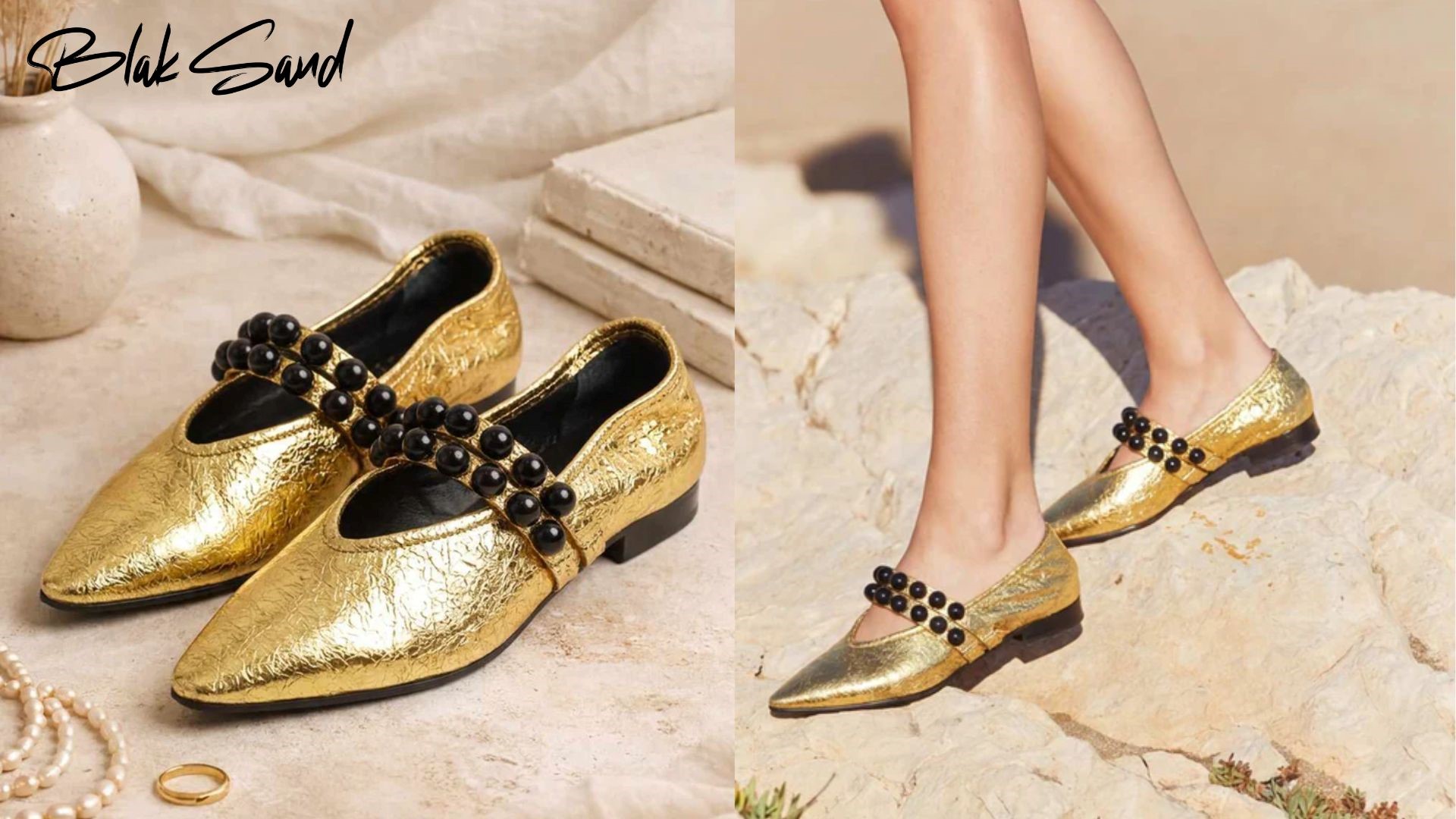
The idea of luxury footwear in India is changing—and fast. Earlier, luxury meant something rare and expensive, often worn occasionally. Today, it’s becoming part of everyday fashion. Luxury footwear brands in India are now designing products that fit into daily routines, not just special events.
This shift reflects a deeper change in how people shop. Instead of buying more, consumers are choosing better. They want footwear that looks refined, feels comfortable, and lasts longer.
From Occasion Wear to Everyday Luxury
One of the biggest changes in the Indian footwear space is how luxury is being used. It’s no longer limited to weddings or formal occasions.
Modern consumers are incorporating luxury footwear into their everyday wardrobes. Whether it’s for office wear, casual outings, or travel, premium shoes are now expected to perform across different situations.
This has pushed brands to design footwear that is not just stylish, but also practical and adaptable.
Why Indian Brands Are Gaining Attention
Indian luxury footwear brands are growing because they understand one important thing—real user needs.
They design keeping in mind long working hours, varied climates, and the need for versatility. Instead of focusing only on appearance, they create footwear that supports movement and comfort throughout the day.
This practical approach is helping Indian brands stand out in a space that was once dominated by global names.
Design That Works, Not Just Looks
Luxury design is no longer about heavy detailing or flashy elements. The current trend is subtle, clean, and functional.
Footwear that looks simple but feels premium is what consumers are drawn to. Neutral colors, structured shapes, and minimal finishes allow these shoes to blend easily with multiple outfits.
This makes them more usable, which is exactly what modern buyers want—style that fits into their lifestyle without extra effort.
Comfort as the New Definition of Luxury
Comfort has become the strongest factor in defining luxury footwear. A shoe that looks good but feels uncomfortable is no longer considered premium.
Indian brands are focusing on soft interiors, flexible soles, and supportive designs. The goal is to create footwear that you can wear all day without thinking twice.
This shift has made luxury footwear more accessible—not in terms of price, but in terms of usability.
Blaksand and the Everyday Luxury Movement
A brand like blak sand reflects this new direction in Indian luxury footwear. Instead of following traditional luxury patterns, it focuses on creating pieces that are easy to wear and easy to style.
The designs are modern, minimal, and built for everyday use. Whether it’s flats, sandals, or boots, the emphasis remains on comfort-driven fashion that doesn’t feel overdone.
This approach connects with today’s consumers who want their footwear to be both stylish and functional.
Value Over Volume
Another reason behind the rise of luxury footwear brands in India is the shift towards mindful shopping.
People are moving away from buying multiple low-quality pairs and instead investing in one or two high-quality options. This not only reduces clutter but also ensures better comfort and durability.
Luxury footwear fits perfectly into this mindset—it offers long-term value rather than short-term satisfaction.
A Market That’s Still Growing
The Indian luxury footwear segment is still evolving, which makes it even more exciting. As consumer awareness increases, expectations are also rising.
Brands are now expected to deliver more—better materials, better comfort, and better design. This push is driving innovation and improving overall quality in the market.
The result is a space where consumers have access to better products than ever before.
Conclusion
Luxury footwear brands in India are no longer just about premium pricing—they are about smart design, real comfort, and everyday usability.
With changing lifestyles and more conscious buying behavior, the focus has clearly shifted towards footwear that adds value beyond appearance.
Brands like blaksand are leading this transition by offering designs that fit naturally into daily life, making luxury feel less like an occasional choice and more like a regular habit.