

There is a particular kind of memory that only fragrance seems able to hold onto. You can forget what someone wore to a wedding, forget most of what was said in a conversation years ago, and still remember, with startling clarity, exactly how a room smelled the moment a particular person walked into it. Long after everything else about an evening fades, the scent tends to stay — on a dupatta pulled from the back of a wardrobe, in the recollection of a particular summer, in the half-second of recognition when a stranger passes by wearing something familiar. Jaipur-based fragrance house Shriex has built much of its brand philosophy around exactly this idea: that a perfume isn’t really a product at all, but a form of memory you choose to carry.
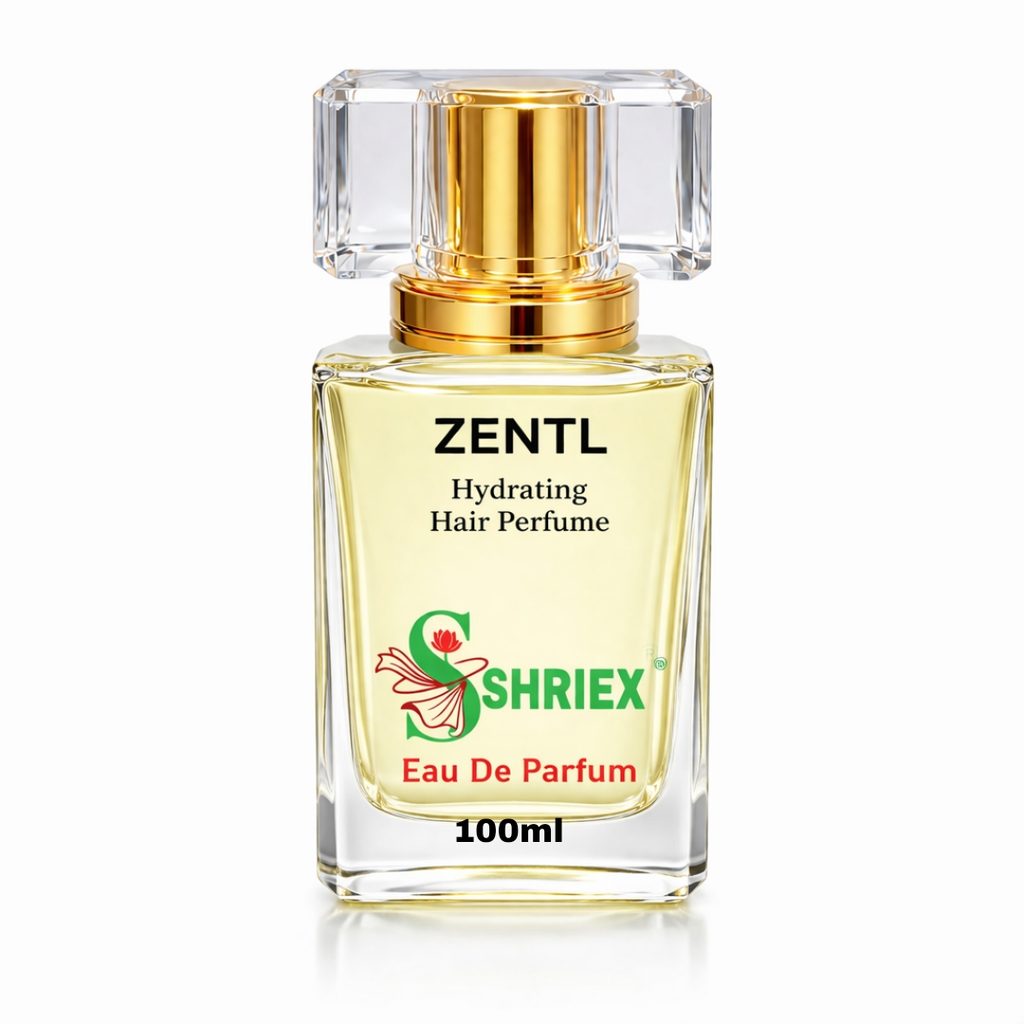
A Manifesto Built Around Recognition, Not Reinvention
Most fragrance marketing sells transformation — the promise that a new scent will make you more confident, more desirable, more someone else. Shriex’s own manifesto takes a quieter, more interesting position: “perfume doesn’t build you from zero, it reveals what’s already there.” The pitch isn’t reinvention. It’s recognition — the idea that the right fragrance simply makes more of the room notice a version of you that was already present.
That philosophy runs through how the brand talks about its everyday fragrances too. Its journal on unisex, everyday scent frames perfume not as a special-occasion indulgence but as a “constant companion” — as relevant to a Monday morning commute in Jaipur as to a wedding in Delhi or a night out in Bangalore. It’s a deliberately unglamorous framing, and that’s precisely what makes it feel honest: most people don’t reach for perfume to become someone new. They reach for it because it’s part of how they already recognise themselves getting ready in the morning.
Gifting, Sampling, and the Ritual of Discovery
This is also where Shriex’s approach to gifting becomes interesting. Rather than treating fragrance gifting as a once-a-year festival transaction, the brand has built an entire category around the ritual of discovery itself. Its trial packs and gift sets — sets of six 8ml travel atomizers mixing men’s, women’s and unisex scents — are designed less as a cheaper alternative to a full bottle and more as an invitation: try several scents across several days, several moods, several occasions, before deciding which one becomes “yours.” For a category where buyer’s remorse is common — a fragrance that smells wonderful on a testing strip can behave very differently on skin, in heat, over eight hours — that shift from single-purchase to guided discovery matters more than it might first appear.
It also fits neatly into how gifting actually works in Indian households: festival season, weddings, and family visits generate a steady, recurring need for gifts that feel personal without requiring the giver to guess a specific preference. A trial set sidesteps that guesswork entirely, letting the recipient discover their own signature scent rather than inherit someone else’s guess at what suits them.
Why the Timing Matters
India’s relationship with fragrance is quietly maturing. What used to be a functional, almost invisible part of getting dressed — the last spray before leaving the house — is increasingly treated as a form of self-expression in its own right, alongside how someone dresses or does their hair. Shriex’s product range, spanning bold woody-orientals to soft aquatic-florals and viewable across its full perfume collection, is built for exactly that shift: not a single “signature” fragrance imposed on every customer, but a wide enough range that the signature can genuinely belong to the person wearing it.
That, ultimately, is the quieter argument running underneath all of Shriex’s messaging. Fragrance, done well, isn’t about looking elsewhere for validation — not to Paris, not to a duty-free counter, not to whichever bottle a celebrity happens to be endorsing that year. It’s about finding something that was always going to belong to you, tested in the same heat you’ll actually wear it in, remembered long after the bottle itself is empty.